

The art and science of reflexology
Reflexology is a holistic therapy that has been practised for centuries to promote relaxation, relieve pain and restore balance to the body. It is based on the principle that specific reflex points on the feet correspond to different organs and body systems. By applying pressure to these points, reflexologists can stimulate the body’s natural healing processes and promote overall well-being.
In this comprehensive blog, we will discuss the history, techniques, benefits and methods of reflexology.
History of reflexology
Ancient origins
Ancient wisdom underscores the importance of reflexology in holistic health practices. This knowledge dates back over 5000 years in ancient Egypt, and more than 2000 years in China. Depictions of the practice can be found in Egyptian hieroglyphic inscriptions and the ancient Chinese writing, “Yellow Emperor’s Classic of Internal Medicine”. These diverse sources both delve into the impacts that specific reflex points on the feet have on the body’s organs and its life force energies.
Zone therapy in Europe
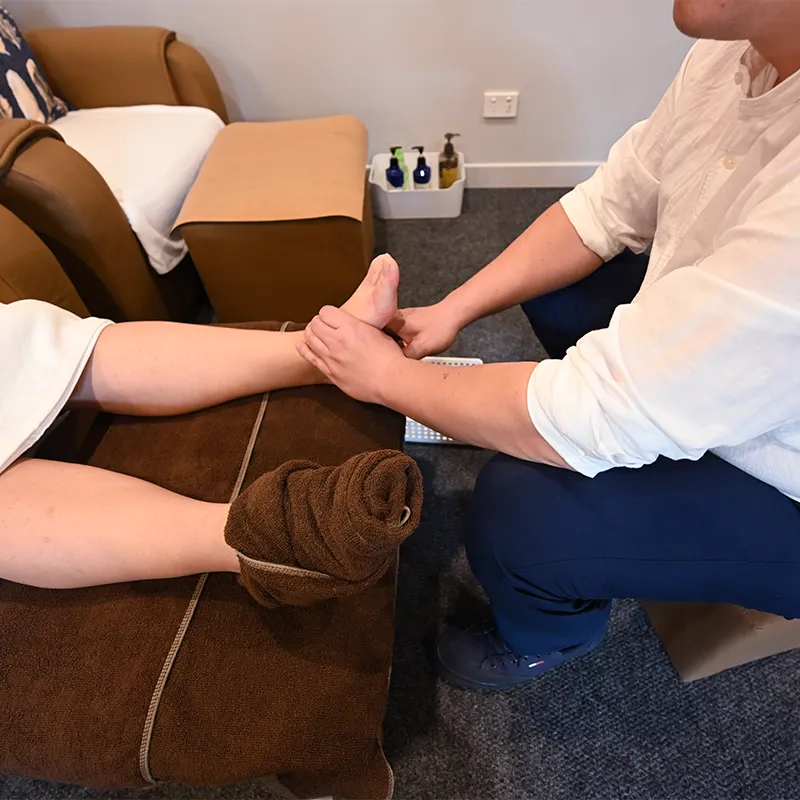
By the 14th century, reflexology had made its way to Europe in the form of “zone therapy.” Dr. Adamus and Dr. A’tatis developed zone therapy by dividing the body into ten longitudinal zones, each of which ran from the head to the toes. This concept laid the foundation for modern reflexology.
Modern reflexology
In the early 20th century, reflexology took a leap forward thanks to the works of Dr. William Fitzgerald, an American doctor, and Eunice Ingham, a physiotherapist. Dr. Fitzgerald introduced the concept of longitudinal zones, and Ingham refined the therapy by mapping the entire body onto the feet. Her 1938 findings resulted in the framework of reflexology as we know it today.
Ingham’s work paved the way for the widespread acceptance of reflexology as a legitimate healing therapy. Reflexology is now a popular practice with millions of people all over the world and is available in spas, hospitals and clinics.
How reflexology works
Reflexology is a holistic therapy that is based on the concept of Qi, the body’s vital energy or life force. In traditional Chinese medicine (TCM), Qi is believed to flow through a network of channels or meridians in the body. Blockages in these channels can lead to illness.
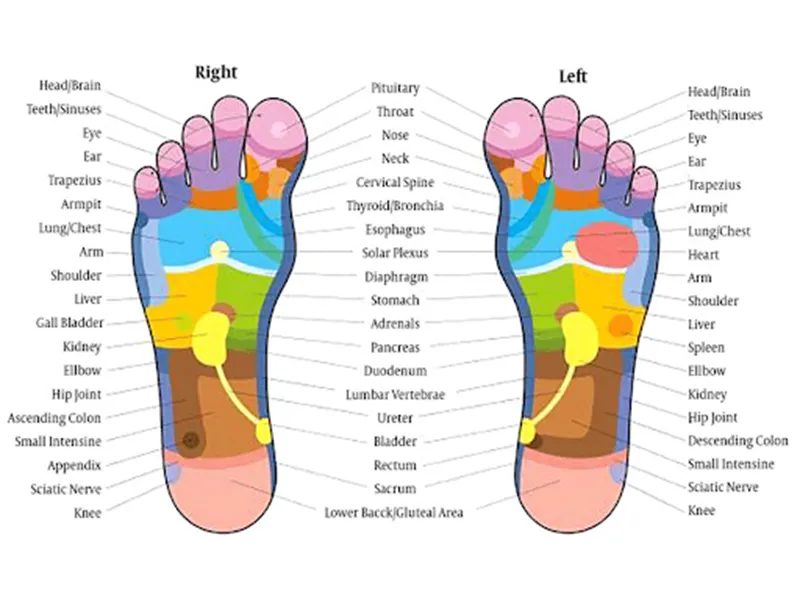
Reflexology aims to remove blockages and restore the free flow of Qi, allowing the body to heal itself. Reflexologists use reflexology foot charts to guide them. These charts project a map of the entire body onto the feet, with each organ and system corresponding to a specific reflex point.
By applying pressure and specific techniques to these points, reflexologists stimulate the related body parts, promoting balance and relaxation. Some of the techniques that reflexologists use include thumb walking, finger pressing and circular rubs.
Reflexology is a safe and effective therapy for people of all ages. It can be used to relieve pain, reduce stress, improve circulation and boost the immune system. Reflexology can also be used to support healing from specific illnesses and conditions.
Techniques and methods
Reflexology comes in different forms and approaches, each offering its own unique benefits.
- Ayurvedic reflexology: Combining Eastern and Western philosophies, this method is based on Ayurveda, India’s traditional medical system. It focuses on balancing the body’s subtle energy systems through marma points and warmed sesame oil.
- New approaches: Reflexologists in the West have been exploring energy therapies, acupressure points and principles like meridians and yin/yang. These approaches may involve magnets, special oils or crystal torches to balance energy flow. Some examples include Reiki, reflexology for the ears, and reflexology for the abdomen.
- The Ingham method: Developed in America by Eunice Ingham, this is the foundation for modern reflexology. It uses “thumbwalking” to apply pressure, with sessions lasting about 60 minutes. The focus here is on relaxation and balancing body systems.
- The Rwo Shur method: This ancient Chinese method employs thumb-sliding and pressure techniques, sometimes using small wooden sticks. It focuses on stimulation and efficiency and typically lasts around 30 minutes.
Benefits of reflexology
Reflexologists claim that by manipulating reflex points on the feet, they can:
- Balance energy flow by promoting Qi circulation, which is believed to be essential for good health.
- Improve circulation by enhancing blood, nutrients and nerve signal flow to all parts of the body.
- Boost health by strengthening the immune system and making the body more resistant to infection and disease.
- Promote healing by encouraging the body’s self-healing mechanisms and reducing inflammation.
- Cleanse the body by stimulating the lymphatic system to remove toxins and waste.
- Release endorphins, which reduce pain and stress and improve mood.
- Promote relaxation by activating the parasympathetic nervous system, which is responsible for the body’s “rest and digest” response.
Reflexology as a complementary therapy
Reflexology is best viewed as a complementary therapy, not a standalone treatment. It can work alongside conventional medicine to enhance overall well-being and promote relaxation. Complementary therapies can help reduce the side effects of conventional medical treatment, improve the patient’s overall quality of life and support the body’s natural healing processes.
It is important to consult with your healthcare provider before starting any new therapy, including reflexology. They can help you determine if reflexology is right for you and recommend a qualified reflexologist.
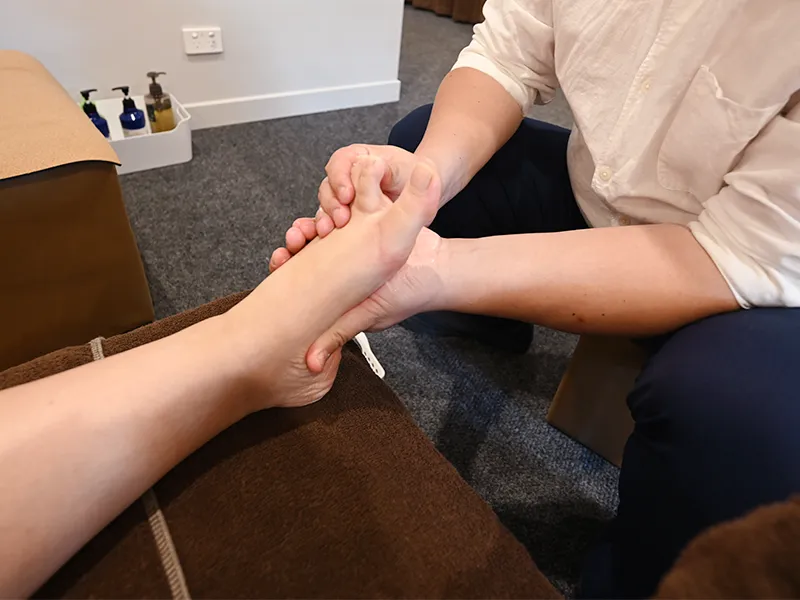
Reflexology is not merely a fancy word for a foot massage; it is a holistic practice with a rich history and diverse methods, offering a path to balance, relaxation and healing. Whether you seek relief from stress or pain or simply desire a state of profound relaxation, reflexology might be the key to unlocking your body’s natural healing potential.