

Ever winced in pain while reaching for something on a high shelf or felt the struggle of brushing your hair? Maybe you’ve noticed an unexplained stiffness and discomfort in your shoulder, turning everyday activities into unexpected challenges. If these situations sound familiar, you might find yourself wondering, ‘Do I have frozen shoulders?’
Frozen shoulder
Frozen shoulder, clinically known as adhesive capsulitis, is a condition characterised by pain and stiffness in the shoulder joint. The term “frozen shoulder” refers to the gradual restriction of both active and passive range of motion in the shoulder, often accompanied by pain.
The shoulder joint is enveloped by a flexible tissue called the capsule. When this capsule becomes inflamed and thickened, it restricts the movement of the shoulder bones. The condition typically progresses through three overlapping phases: the painful phase, the freezing phase and the thawing phase.
Painful phase (Acute or freezing phase)
The initial stage is marked by the gradual onset of shoulder pain, often experienced at rest or during specific movements. Sharp pain occurs at the extremes of motion and can be particularly intense at night, disrupting sleep. This phase can last anywhere from 2 to 9 months, during which even simple activities may become challenging due to pain.

Freezing phase (Adhesive or frozen / stiffening phase)
As the painful phase subsides, the stiffness and restriction of shoulder motion become more apparent. While pain diminishes, there is a progressive loss of range of motion in a capsular pattern. The shoulder is notably stiff, and discomfort is primarily felt at extremes of movement. This phase typically occurs around 4 months into the condition and can last up to 12 months.
Thawing phase (Resolution phase)
During this stage, there is a spontaneous and gradual improvement in functional range of motion. The shoulder begins to regain movement, and if pain persists, it starts to fade. This phase can last anywhere from 5 to 24 months. Some studies suggest that the condition is self-limiting and may resolve within three years. However, persistent symptoms and restriction of movement beyond three years may affect a significant percentage of individuals, with an estimated 15% experiencing long-term disability.
The duration of each phase in the progression of frozen shoulders can differ from one individual to another. The details provided serve as general reference information. If you’re experiencing any symptoms associated with frozen shoulder, it’s strongly advised to seek guidance from your healthcare provider for an accurate diagnosis and appropriate treatment.
Common causes of frozen shoulders
- Idiopathic onset: No clear, identifiable cause.
- Previous shoulder injury or surgery: History of shoulder trauma or procedures.
- Diabetes: Higher prevalence in diabetic individuals (up to 20%).
- Thyroid disorders: Influence on muscle aches and stiffness.
- Hormonal changes (menopause): Hormonal fluctuations, especially in women.
- Dupuytren’s contracture: Thickened tissue in hands and fingers.
- Cardiopulmonary disease: Systemic conditions like heart or lung diseases.
- Cervical disc disease: Disorders affecting the cervical spine.
- Neurological conditions: e.g., Parkinson’s affecting the nervous system.
- Rotator cuff pathologies: Issues with the rotator cuff, such as tendinopathy.
- Calcific tendinopathy: Presence of calcium deposits in tendons.
- Acromioclavicular (AC) joint arthritis: Arthritis affecting the AC joint.
- Post-stroke and post-injury: Altered movement patterns after stroke or injury.
- Genetic factors: Potential genetic predisposition.
- Metabolic conditions: Conditions like metabolic syndrome.
- Avascular necrosis: Rare loss of blood supply to the bone.

Symptoms of frozen shoulder
The symptoms of frozen shoulder can vary from person to person but commonly include:
- Pain: Gradual onset of shoulder pain, often worse at night.
- Decreased motion: Progressive loss of both active and passive range of motion.
- Stiffness: Difficulty moving the shoulder, particularly in external rotation.
- Loss of function: Challenges in daily activities like grooming and reaching overhead.
- Sleep disturbance: Disrupted sleep, especially during the painful and freezing phases.
- Difficulty with activities: Impaired ability to dress, reach behind the back or fasten items.
- Pain at extremes of motion: Prominent pain at extremes of shoulder movement.
- Long duration: Symptoms may persist for months to years, impacting quality of life.
- Distinct phases: Progression through phases – painful, frozen and thawing.
Can frozen shoulders be prevented?
While it might not be entirely possible to prevent frozen shoulders, especially in cases where the cause is idiopathic, different steps can potentially reduce the risk or severity:
- Early treatment: Seek medical attention if you experience persistent shoulder pain and stiffness.
- Control underlying conditions: Effectively manage conditions such as diabetes and thyroid problems.
- Regular exercise: Engage in routine shoulder exercises to maintain flexibility and strength.
- Healthy lifestyle: Adopting a healthy lifestyle can prevent conditions that may contribute to frozen shoulders.
- Prompt medical attention: If you notice shoulder pain limiting your range of motion, consult a healthcare professional early for evaluation and treatment.
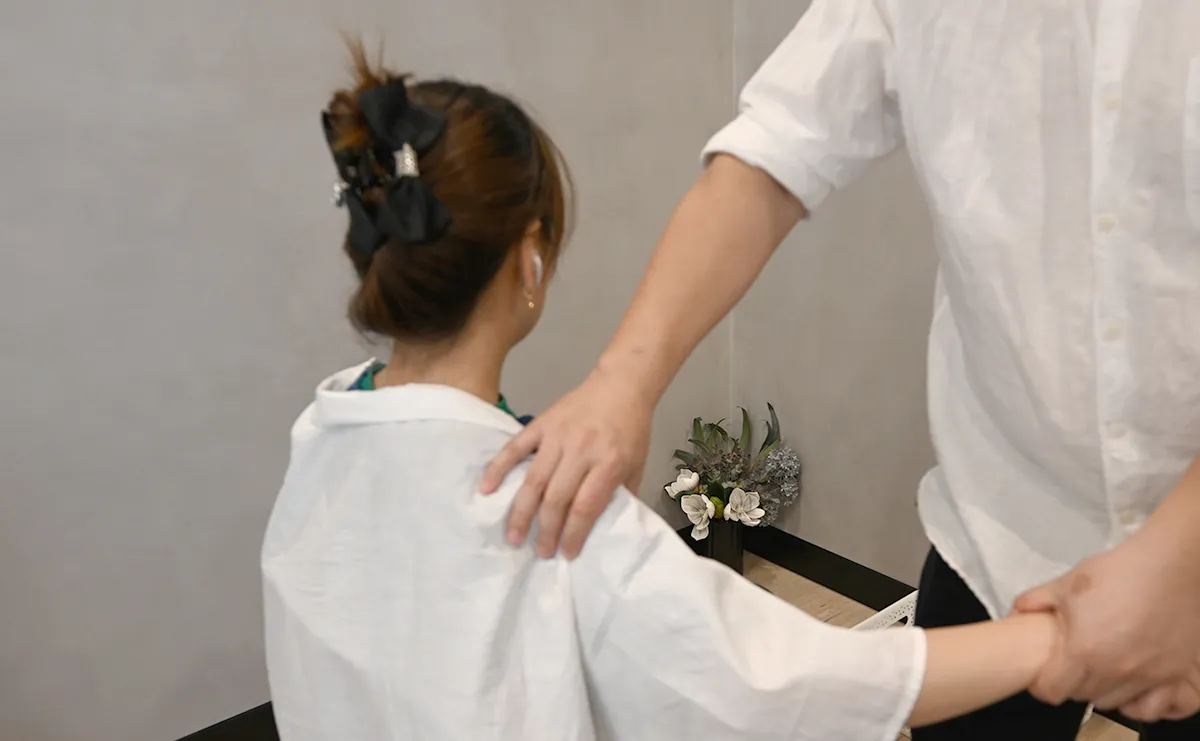
Remedial massage for frozen shoulders
One effective and non-invasive approach to managing frozen shoulders is through remedial massage therapy. This therapeutic technique involves the targeted manipulation of muscles, tendons and ligaments to alleviate pain and stiffness. During the initial and final stages, when inflammation and discomfort are not at their peak, remedial massage can be particularly beneficial. Techniques such as deep tissue massage, trigger point therapy and Swedish massage are commonly employed by trained therapists. These massages aim to reduce pain, improve blood circulation and enhance the range of motion.
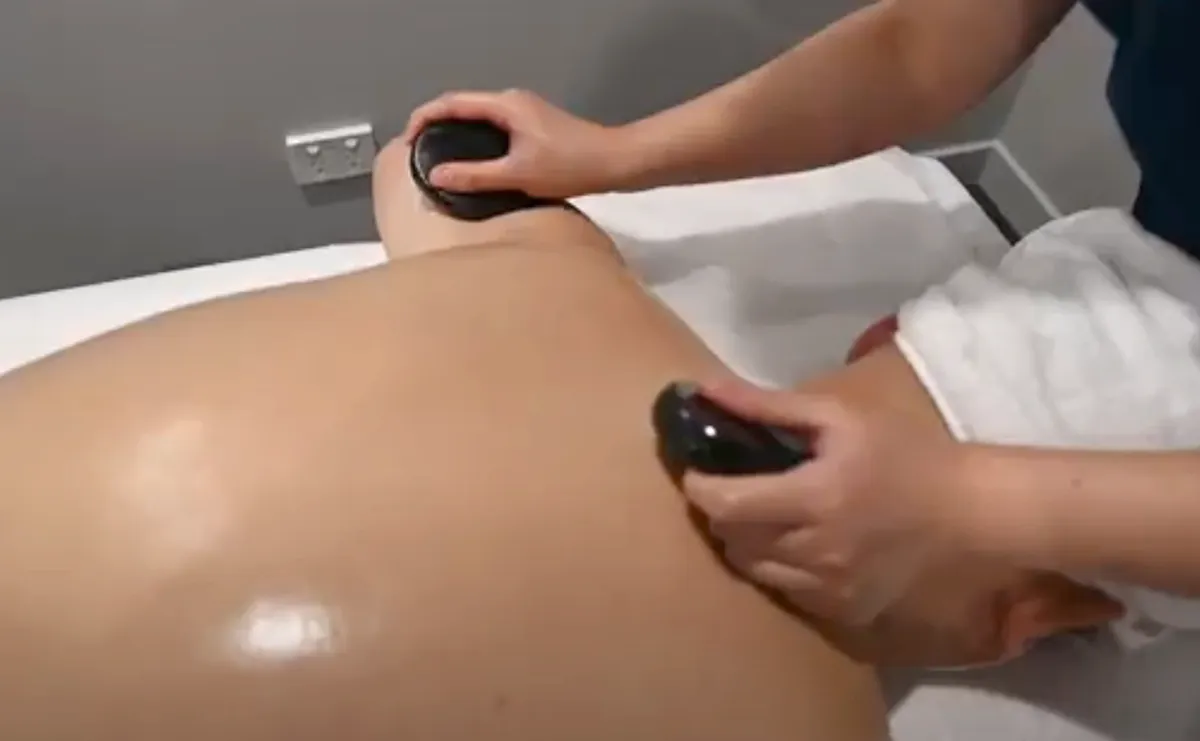
Hot stone massage for comfort
In addition to remedial massage, hot stone massage is gaining popularity as a complementary treatment for frozen shoulders. This technique involves placing heated stones on specific points of the body, promoting relaxation and easing muscle tension. The warmth from the stones penetrates deep into the tissues, providing relief from pain and enhancing the overall massage experience. Hot stone massage can be especially soothing during the freezing and thawing phases, contributing to the overall well-being of individuals dealing with frozen shoulder symptoms.
When considering these massage therapies, it’s essential to consult with healthcare professionals to ensure they align with your overall treatment plan. Integrating remedial massage or hot stone massage into your routine may offer a drug-free and comforting way to cope with the challenges posed by frozen shoulders.