Ever experienced the sudden agony of waking up with a stiff, painful neck, leaving you wondering how it got so twisted overnight? If that sounds all too familiar, you’ve encountered the surprise guest known as wry neck. The sharp pain and limited head movement can be quite a challenge. But fear not, understanding wry neck is the first step to a swifter recovery.
What is a wry neck?
A wry neck, also known as torticollis or cervical dystonia, is a painful condition characterised by an abnormal positioning of the head and neck. In this state, neck muscles contract involuntarily, causing the head to tilt, turn or rotate to one side. This results in a sharp pain on the opposite side of the neck, sometimes extending down to the shoulder blade.
The onset of a wry neck can be sudden and intense, with individuals often waking up in severe agony, pondering the cause of this unexpected neck trouble. This condition primarily affects the neck’s muscles, nerves or spine.
What is a wry neck?
A wry neck, also known as torticollis or cervical dystonia, is a painful condition characterised by an abnormal positioning of the head and neck. In this state, neck muscles contract involuntarily, causing the head to tilt, turn or rotate to one side. This results in a sharp pain on the opposite side of the neck, sometimes extending down to the shoulder blade.
The onset of a wry neck can be sudden and intense, with individuals often waking up in severe agony, pondering the cause of this unexpected neck trouble. This condition primarily affects the neck’s muscles, nerves or spine.
Acute wry neck
Sudden onset, sharp pain and restricted movement, often occurring after sleeping in an awkward position, sudden neck movements or carrying unbalanced loads.
Chronic wry neck
Persistent or recurring symptoms over an extended period, with pain, stiffness or muscle spasms becoming recurrent challenges. Typically linked to prolonged poor posture, unresolved injuries or untreated conditions.
Causes of wry neck
Sleeping habits: Discomfort from improper neck support during sleep.
Genetic factors: Inherited genes contributing to wry neck development.
Heavy lifting: Neck stress from carrying heavy or unbalanced loads.
Infections: Viral impact on the head, neck or other body areas.
Tumors: Abnormal growths in the neck region.
Scar tissues: Formation of scar tissues in the neck muscles.
Fetal development: Abnormal baby head positioning during fetal growth.
Trauma and injury: Neck strain due to sudden or prolonged injuries.
Spinal issues: Herniated discs, dislocated vertebrae or misalignments.
Poor posture: Strained neck from prolonged sitting or working.
Vascular abnormalities: Issues with blood vessels in the neck.
Symptoms of wry neck
Diagnosing wry neck
A physiotherapist can diagnose a wry neck through a thorough examination, including assessing range of motion, muscle length, combined neck movements and tenderness in the cervical spine. This helps differentiate wry neck from other painful conditions of the neck.

Prevention of acute wry neck
Preventing acute wry neck involves adopting mindful practices to minimise the risk of sudden onset and discomfort. Here are practical tips to help safeguard against this painful condition:
Maintain good posture: Be conscious of your posture during daily activities, whether sitting at a desk, using electronic devices or standing. Avoid slouching and ensure your spine is aligned.
Ergonomic workstations: Set up your workspace to support proper body alignment. Adjust the height of your chair and computer monitor to promote a neutral neck position.
Regular breaks: Take breaks during extended periods of desk work or activities that strain the neck. Stretch and move to prevent stiffness.
Correct sleeping position: Use a supportive pillow that maintains the natural curve of your neck. Avoid sleeping on your stomach, as it can strain the neck.
Gentle neck exercises: Incorporate gentle neck exercises into your routine to improve flexibility and strength. Rotate your neck, tilt it from side to side and perform slow stretches.
Weight distribution: When carrying loads, distribute the weight evenly on both sides of your body. Use backpacks with wide, padded straps to reduce strain.
Warm-up before activity: If engaging in physical activities or exercises, ensure proper warm-up to prepare your muscles for movement.
Stay hydrated: Proper hydration supports muscle function and flexibility. Dehydration can contribute to muscle cramps and stiffness.
Manage stress: Stress can contribute to muscle tension. Practice stress management techniques such as deep breathing, meditation or yoga.
Regular exercise: Maintain overall fitness and strength through regular exercise. Strong, flexible muscles provide better support for the neck.
Can a massage and acupuncture help?
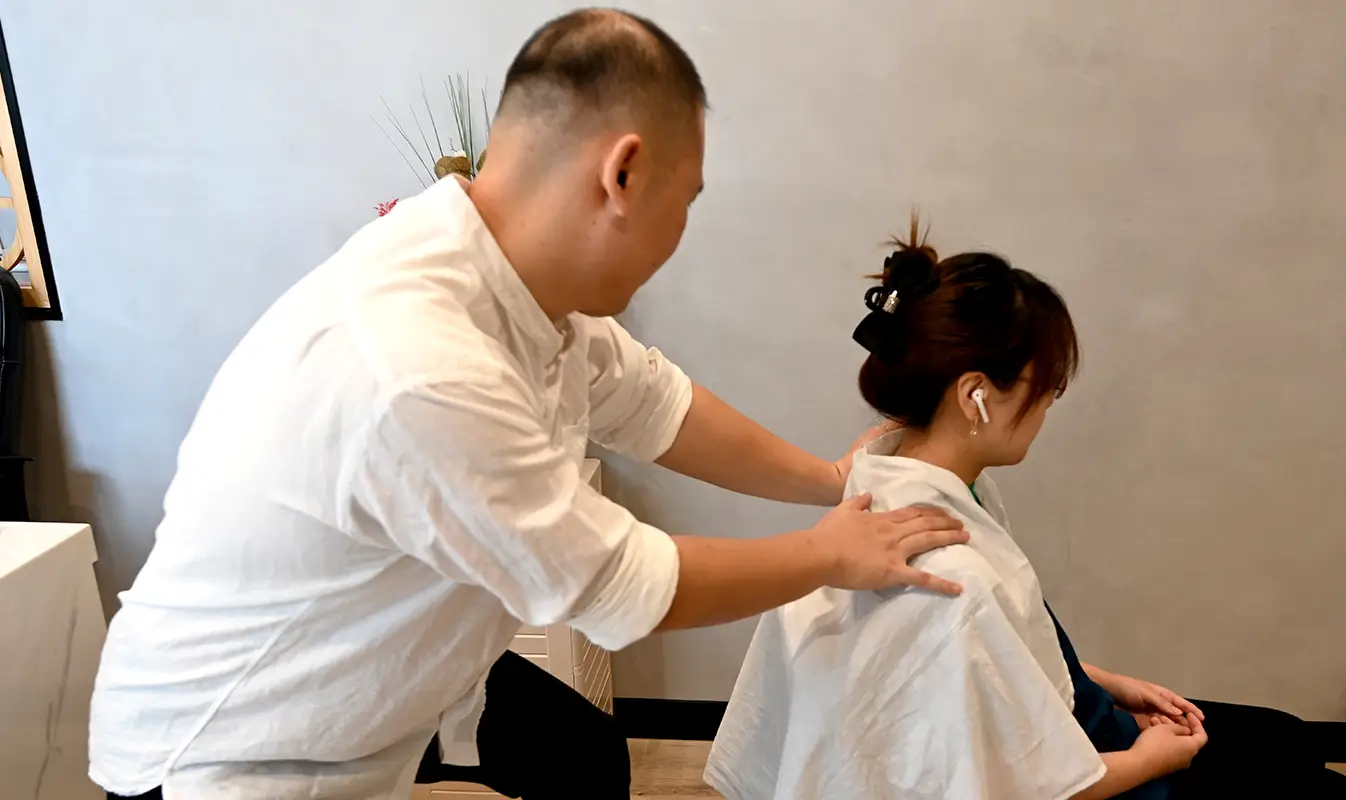
Massage and acupuncture can be beneficial in alleviating wry neck symptoms. Massage therapy aims to reduce muscle tension, improve blood circulation and promote relaxation in the affected neck muscles. Skilled massage techniques, including myofascial release, can target specific areas of tightness, offering relief and enhancing flexibility.