

Did you know that roughly 1 in 9 couples struggle with infertility, and in 40% of those cases, female health is a contributing factor? Acupuncture is a drug-free way to support the treatment of many common women’s health issues, like infertility. It can also release tension in your body, supporting you to live in a state of flow, with greater mental clarity, hormonal stability and physical well-being. Many women who experience this holistic therapy appreciate knowing it is a safe and natural way to take charge of their health.
Here are some common women’s health issues which can be supported by acupuncture:
- Menstrual irregularities
- Menopause symptoms
- Infertility
- Polycystic ovary syndrome (PCOS)
- Endometriosis
- Pelvic pain
- Pregnancy-related discomforts
- Hormonal imbalances
- Stress and anxiety
- Insomnia
Acupuncture for every stage of health
Acupuncture offers many benefits for women’s health across different life stages. It can offer significant relief for these issues:
Menstruation
Acupuncture can address many issues related to menstruation by:
Painful periods (Dysmenorrhea): Believed to stimulate the release of endorphins, acupuncture can promote the body to make use of its own natural pain-relieving functions. These endorphins can help reduce the intensity of menstrual cramps and discomfort. Additionally, acupuncture may help relax the muscles in the uterus that contribute to cramping, providing further relief from menstrual pain.
Irregular cycles and polycystic ovary syndrome (PCOS): Acupuncture may help your body to regulate the hormones involved in ovulation, potentially leading to more consistent cycles. In the case of PCOS, acupuncture may help reduce elevated androgen levels, which can contribute to irregular periods.
PMS symptoms: Found effective in alleviating various symptoms associated with premenstrual syndrome (PMS), acupuncture can help with issues such as cramps, headaches, and mood swings. Stimulating specific acupuncture points promotes hormonal balance and enhances blood circulation, potentially reducing the severity and frequency of PMS symptoms.
Heavy bleeding (Menorrhagia): (Dysmenorrhea): Hormones that control the uterine lining may be better regulated through acupuncture, potentially leading to lighter periods. Using this technique, hormones may be rebalanced, improving blood circulation to reproductive organs and addressing imbalances causing heavy menstrual bleeding.

Fertility and pregnancy
During this stage, acupuncture may:
Regulating ovulation and improving egg quality: Acupuncture may help regulate ovulation by stimulating the production of follicle-stimulating hormone (FSH) by the pituitary gland. FSH plays a crucial role in egg development and maturation. Some studies suggest acupuncture may also improve blood flow to the ovaries, which could potentially enhance nutrient delivery and improve egg quality.
Supporting IVF success rates: (Dysmenorrhea): Research suggests acupuncture performed before and after embryo transfer during IVF cycles may increase pregnancy rates. The potential mechanism behind this could be acupuncture’s ability to:
- Improve blood flow to the uterus, creating a more receptive environment for implantation.
- Promote a thicker, healthier uterine lining, which is essential for embryo attachment.
- Reduce stress hormones, which can negatively impact implantation success.
Alleviating morning sickness and other pregnancy discomforts: Alleviating morning sickness and other pregnancy discomforts: Acupuncture can help regulate hormones and reduce nausea and vomiting associated with morning sickness by targeting specific acupoints (e.g., P6, located on the inner wrist). This natural approach may also bring relief from other common pregnancy discomforts like heartburn and constipation.
Induction of labour during pregnancy: While acupuncture isn’t a primary method for inducing labour, some research suggests it may be a helpful complementary therapy. When a pregnancy goes past its due date and concerns arise, healthcare providers may recommend induction. Acupuncture can support the body’s natural labour process by targeting specific points that influence uterine activity. This may help stimulate contractions and facilitate the onset of labour, potentially leading to a smoother and more efficient induction experience
Menopause
Acupuncture can provide relief from some of the most common symptoms of menopause, including:
Hot flushes and night sweats: By helping regulate the hypothalamus, which is the part of the brain involved in temperature regulation, acupuncture can potentially reduce the frequency and intensity of hot flushes and night sweats.
Difficulty sleeping: Acupuncture’s ability to promote relaxation and improve sleep quality can help manage insomnia often experienced during menopause. The needles may stimulate the nervous system to release calming hormones like melatonin, promoting better sleep.
Mood swings and anxiety: Fluctuations in hormones and neurotransmitters like serotonin can contribute to mood swings and anxiety during menopause. Acupuncture may help regulate these hormones and neurotransmitters, potentially leading to improved mood stability and reduced anxiety.
Other issues
Acupuncture can also be helpful for:
Endometriosis pain management: Inflammation and blood flow in the pelvic area can both be improved by acupuncture, which may ease the pain associated with endometriosis.
Postpartum recovery: Issues like mood swings, anxiety, and pain, as well as other postpartum concerns, can benefit from acupuncture. It may also help regulate hormones that can affect milk production.
General hormonal balance: Acupuncture is believed to stimulate the body’s natural production of hormones, potentially promoting overall hormonal balance throughout a woman’s life. This can be beneficial for various issues related to hormonal fluctuations, such as PMS and menopausal symptoms.
How acupuncture works
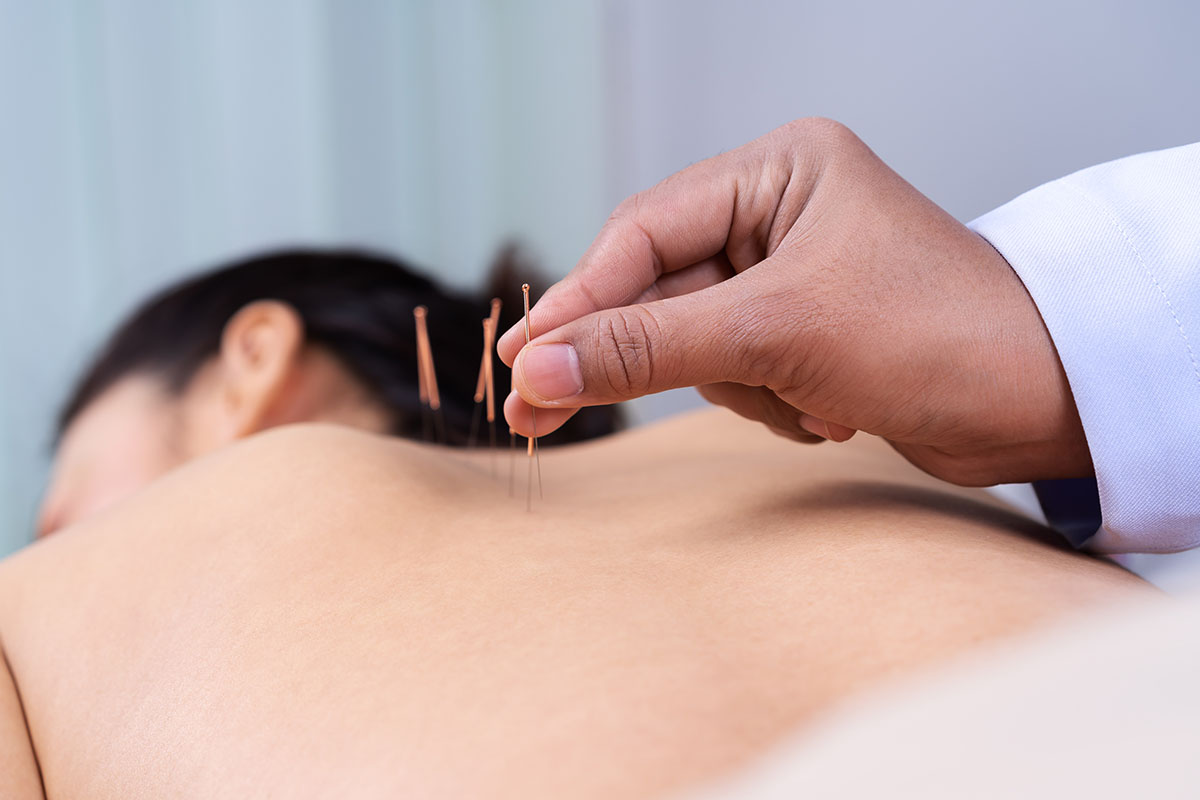
Acupuncture is based on the principles of traditional Chinese medicine, which perceives the body as a network of energy channels known as meridians. These meridians host acupuncture points, and by inserting appropriately fine needles at specific points, practitioners aim to restore the balanced flow of energy, or qi. This restoration of qi flow is thought to have several beneficial effects, including enhanced blood circulation, regulation of hormone production, and the promotion of overall well-being.
What to expect during an acupuncture session
Your initial appointment with a licensed acupuncturist will usually begin with a consultation, during which you’ll discuss your health concerns. The acupuncturist will then conduct an examination and create a personalised treatment plan uniquely tailored to your needs.
During the treatment session, the acupuncturist will insert sterile, hair-thin needles at specific points on your body. Many people report feeling only a slight prick or dull ache during insertion. Once the needles are in place, they are typically left there for about 15 to 30 minutes, allowing your body and mind to relax as the therapeutic effects of the treatment take place.
What to expect during an acupuncture session
Your initial appointment with a licensed acupuncturist will usually begin with a consultation, during which you’ll discuss your health concerns. The acupuncturist will then conduct an examination and create a personalised treatment plan uniquely tailored to your needs.
During the treatment session, the acupuncturist will insert sterile, hair-thin needles at specific points on your body. Many people report feeling only a slight prick or dull ache during insertion. Once the needles are in place, they are typically left there for about 15 to 30 minutes, allowing your body and mind to relax as the therapeutic effects of the treatment take place.
Safety and considerations
A qualified and licensed practitioner can safely and effectively perform acupuncture treatment. However, like any medical procedure, there can be mild side effects. These may include temporary bruising or bleeding at the insertion site of the needles.
Acupuncture may not be suitable for everyone, particularly those with certain bleeding disorders or women in their first trimester of pregnancy. It’s always best to consult with your healthcare provider if you have any pre-existing medical conditions or concerns. They can discuss if acupuncture is right for you and offer alternative options like acupressure massage if you’re hesitant about needles.
A natural choice for women’s health
Acupuncture offers a natural component in womens’ healthcare routines, reducing pain and improving health. It can assist in regulating hormones, managing pain, and enhancing fertility and pregnancy comfort. This powerful drug-free option can be an excellent part of a holistic health care strategy, so consider discussing acupuncture with your healthcare professional to ensure it aligns with your specific needs.