

The healing power of acupuncture
Acupuncture is an ancient healing practice rooted in Traditional Chinese Medicine (TCM), with tremendous therapeutic potential that has captivated the world. This age-old technique involves the strategic insertion of fine needles into specific points on the skin, known as acupuncture points or acupoints. These acupoints lie along pathways of energy called meridians, which are believed to be connected to different organs in the body.
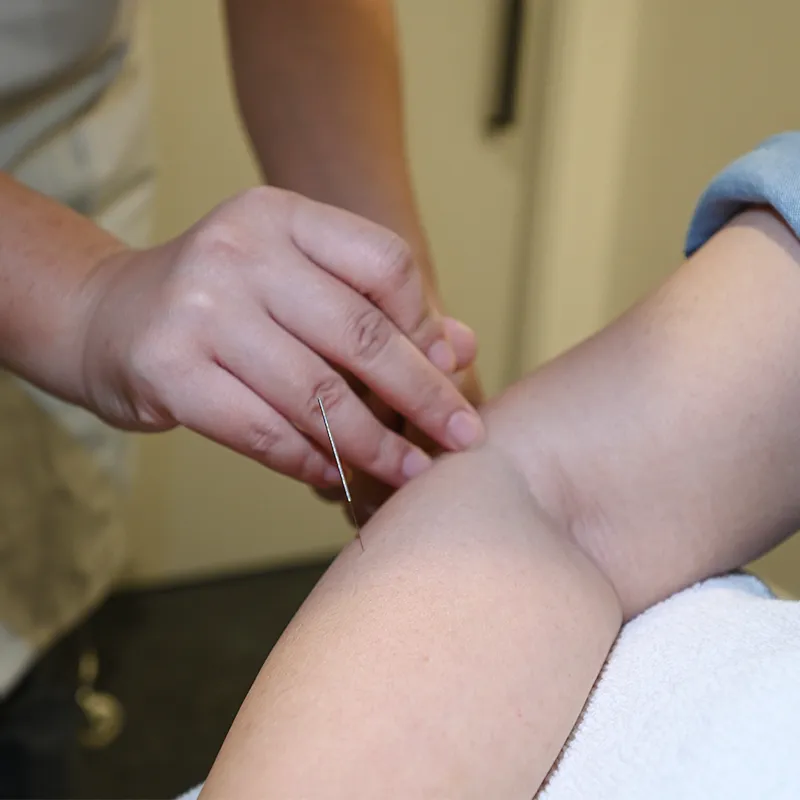
The primary goal of acupuncture is to restore and maintain health by balancing the body’s energy flow, known as Qi or Chi. Acupuncture practitioners believe that imbalances in Qi can lead to a range of health problems, including pain, digestive issues, respiratory problems and emotional disorders.
In this comprehensive blog, we’ll discuss the following:
- The basics of acupuncture and how it works
- What happens in a treatment session
- Health issues that acupuncture can address
- Different types of acupuncture needles
- Safety considerations
Whether you’re just curious or considering acupuncture, our guide offers easy-to-understand information to help you decide.
Principles of acupuncture
1. Balancing energy flow
The core principle of acupuncture is that health depends on a balanced flow of life force, known as Qi, through the body’s energy pathways. These pathways, or meridians, \connect different organs and tissues throughout the body. When Qi flows smoothly, the body is balanced and full of vitality. However, if Qi becomes blocked or imbalanced, it can lead to a range of health problems.
Acupuncturists use needles to stimulate specific acupoints in the body. Acupoints are located along the meridians and are believed to be connected to different organs and bodily functions. By stimulating these points, acupuncturists can help to clear blockages, restore the flow of Qi, and promote healing.
2. Acupuncture points
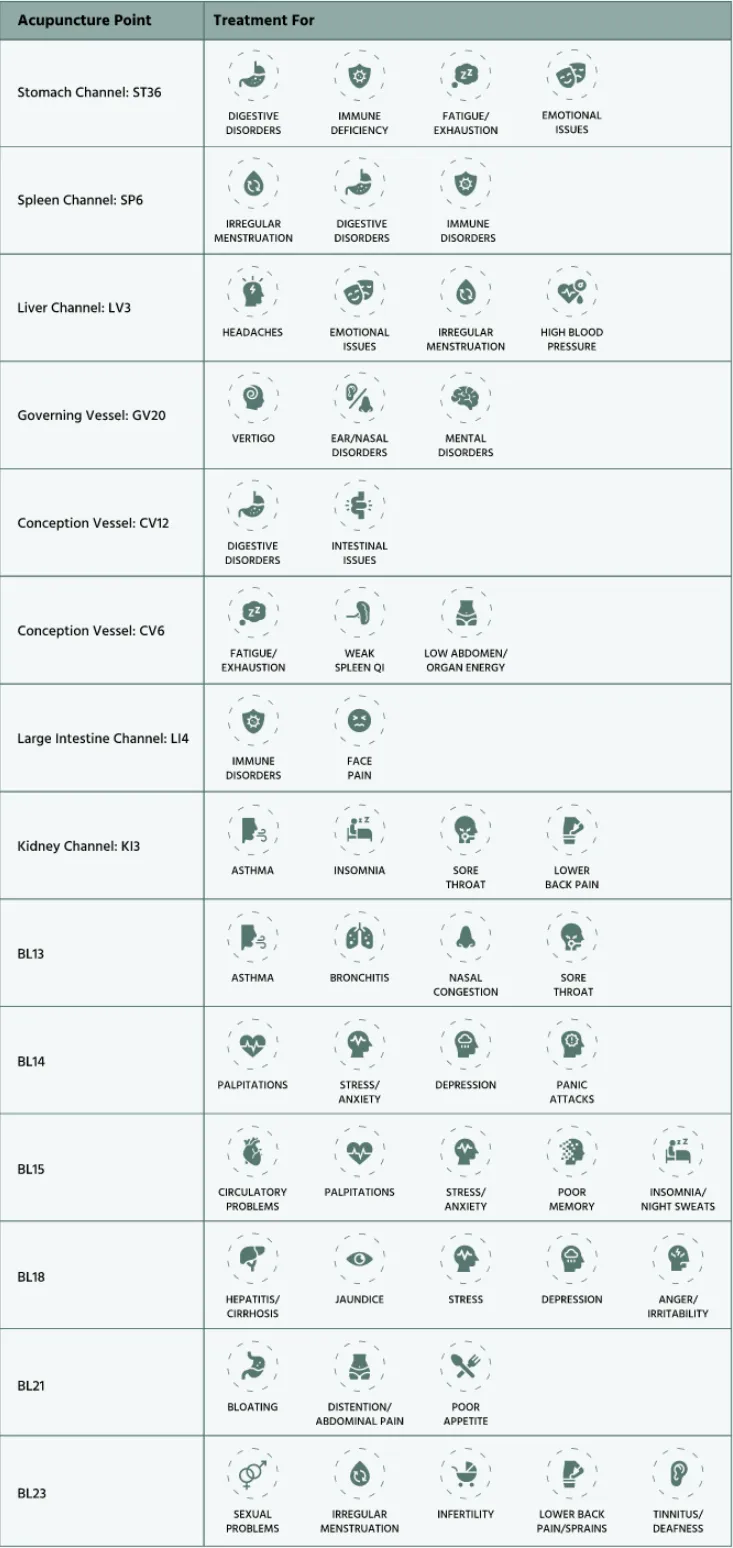
Acupuncture points are specific locations on the skin where acupuncture needles are inserted. Acupuncturists carefully select the acupoints to be stimulated based on the patient’s individual condition and TCM principles.
According to the World Health Organization (WHO), there are 361 standard acupoints that are located on the 14 major meridians. The WHO also recognised an additional 48 points that are not associated with the 14 major meridians but are commonly used in clinical practice.
3. Techniques beyond needles
While needle insertion is the most well-known acupuncture technique, other methods may be used, including:
- Electroacupuncture: This involves stimulating the acupuncture needles with a mild electric current.
- Moxibustion: This involves burning dried herbs, such as mugwort, over acupuncture points.
- Acupressure: This involves applying pressure to acupuncture points with the fingers.
- Cupping: This involves placing heated cups on the skin to create suction.
- Laser therapy: This involves using a laser to stimulate acupuncture points.
Acupuncturists may use different techniques in combination to achieve the best results for their patients.
What happens in an acupuncture session
With the goal of restoring balance to your energy flows, your acupuncturist will:
1. Perform an initial assessment. This will involve taking your medical history, examining you, and asking questions about your symptoms.
2. Identify the appropriate acupoints. Your acupuncturist will choose specific acupoints to stimulate based on your individual condition and TCM principles.
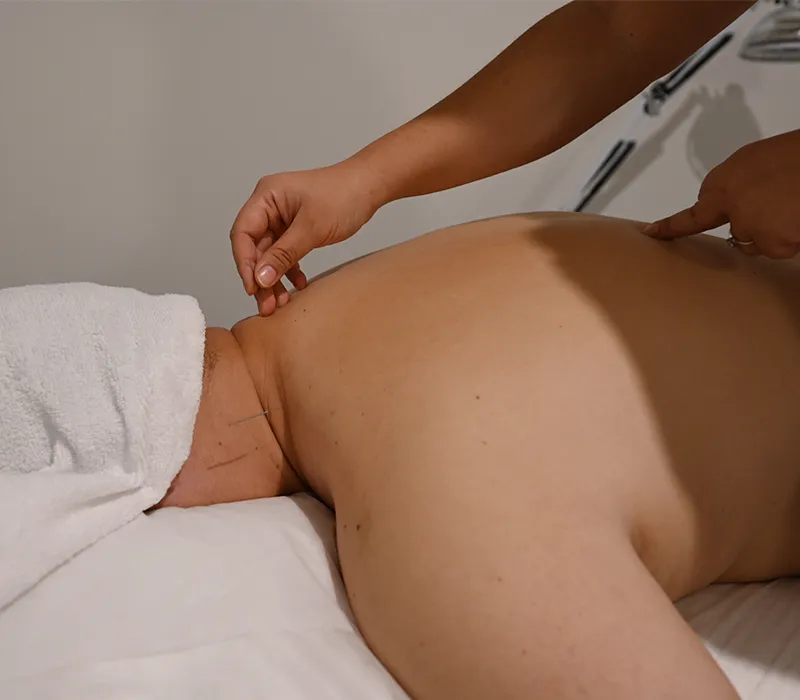
3. Insert the needles. Acupuncture needles are very thin and sterile. They are inserted into the acupoints at a precise depth and angle. During insertion, you may feel sensations like dull pain, tingling or warmth. Once the needles are in place, any discomfort typically subsides.
4. Activate the Qi. Your acupuncturist may use different techniques, such as rotating the needles or applying heat, to stimulate the acupoints and activate the Qi.
5. Duration of the treatment. Needles are usually left in place for 10 to 30 minutes, depending on the condition. Most patients experience relaxation during this time.
6. Remove the needles. After the treatment session is complete, your acupuncturist will remove the needles.
7. Multiple sessions. While some patients may require only one or two treatments, others may need several sessions to achieve optimal results.
Conditions treated with acupuncture
Acupuncture is a holistic approach to healing that can be used to treat a wide range of conditions. Some common conditions that may benefit from acupuncture include:
- Pain management: headaches, migraines, musculoskeletal pain, arthritis and chronic pain syndromes
- Mental health: anxiety, depression, stress, insomnia and post-traumatic stress disorder (PTSD)
- Addiction: smoking cessation, alcoholism and substance abuse
- Digestive disorders: indigestion, irritable bowel syndrome (IBS) and nausea
- Respiratory issues: asthma, bronchitis, sinusitis and allergies
- Women’s health: menstrual pain, infertility, menopausal symptoms and premenstrual syndrome (PMS)
- Skin conditions: acne, eczema and psoriasis
- Neurological conditions: stroke rehabilitation, headaches and neurogenic bladder dysfunction

Acupuncture is not a cure-all for every person and it may not be effective for each of their conditions. However, it can be a safe and effective way to manage diverse symptoms, ease discomfort and improve overall health and well-being.
Types of acupuncture needles
Acupuncture needles come in a variety of types, each with its own unique characteristics and uses. Some of the most common types of acupuncture needles include:
Filiform needles: These are the most commonly used type of acupuncture needle. They are thread-like, disposable stainless steel needles that are inserted into the skin to stimulate acupoints. Filiform needles come in varying gauges and lengths to suit different treatment areas.
Specialised needles: There are also many different specialised acupuncture needles that are used for specific purposes. For example:
- Three-edged needles are used to release a small amount of blood from an acupoint.
- Plum blossom needles are a cluster of 7 filiform needles that are used to stimulate multiple acupoints at once.
- Intradermal needles are very short needles that are inserted superficially into the skin. These are often used to treat chronic pain and addictions.
- Press needles are used to provide extended stimulation to an acupoint.
- Ear seeds and pellets are small beads that are placed on acupoints in the ear. They can be used to stimulate acupressure points or to deliver medication or herbs to the body.
The type of acupuncture needle used will vary depending on the individual practitioner and the condition being treated.
Safety of acupuncture needles
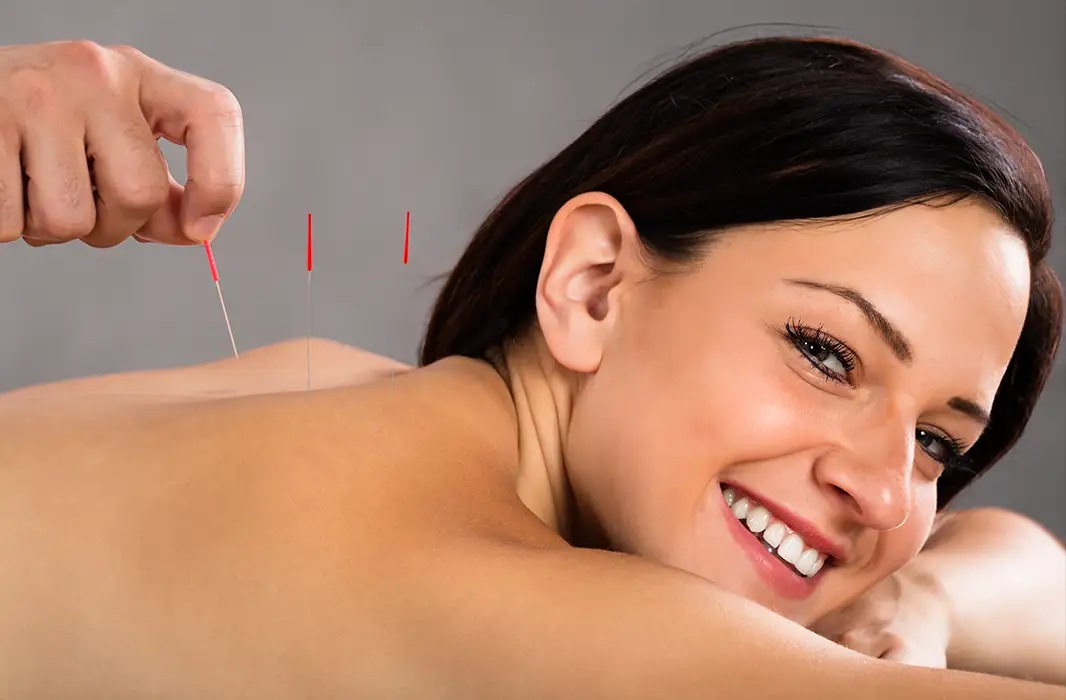
Acupuncture needles used in reputable practices adhere to strict safety standards. In such practices, this means the needles are:
- Pre-sterilised, single-use and disposable. This means that they are sterilised before use and disposed of after each use to prevent the spread of infection.
- Manufactured and packaged under sterile conditions. This ensures that the needles are free of contaminants and safe for use.
- Made of stainless steel, ensuring durability and safety. Stainless steel is a durable and non-reactive material that is safe for use in medical procedures.
- Covered by regulatory guidelines, such as Good Manufacturing Practice (GMP). GMP is a set of regulations that ensure the quality and safety of medical devices.
In addition to these safety measures, acupuncturists are trained to use needles safely and effectively. They will carefully select the appropriate needles for your treatment and insert them into acupoints with precision.
Acupuncture needles are very thin and sharp, but they are generally very safe when used by a qualified acupuncturist. The most common side effects are mild and temporary, such as minor bleeding, bruising or soreness at the injection site.
Here are some tips for staying safe during an acupuncture treatment:
- Choose a reputable acupuncturist who is registered and certified by the Chinese Medicine Board of Australia (CMBA).
- Make sure that your acupuncturist uses pre-sterilised, single-use and disposable needles.
- Ask your acupuncturist about any potential risks or side effects of the treatment.
- Inform your acupuncturist of any medical conditions you have or any medications you are taking.
If you have any concerns about the safety of acupuncture needles, be sure to talk to your acupuncturist before your treatment.
References:
Won Institute. (n.d.). Acupuncture Points: Charts and Meanings. Retrieved from https://www.woninstitute.edu/acupuncture-points/
World Health Organization. “A standard international acupuncture nomenclature: Memorandum from a WHO meeting.” Bulletin of the World Health Organization, U(2): 1BS 19 (190). Available at: https://europepmc.org/backend/ptpmcrender.fcgi?accid=PMC2393122&blobtype=pdf