

Neck pain is far too common, affecting people from all walks of life. It can creep up due to slouching over screens, straining muscles, stress, or underlying medical conditions. No matter what triggers it, neck pain can throw a wrench in your day, and sometimes much longer. However, by getting to the bottom of what’s causing your neck discomfort, seeking the right treatment and taking steps to stop prevent it coming back, you can kick neck pain to the kerb and get back to enjoying life to the fullest.
Types of neck pain
Axial neck pain (mechanical pain):
- Most common of all neck pain types,, this is usually localised in a specific area of your neck.
- It can feel dull, achy, throbbing or even sharp depending on the cause.
- Examples include pain from muscle strains, ligament sprains, problems in the joints between vertebrae, known as facet joint dysfunction, or cervical disc degeneration which comes about from wear and tear of the discs in your neck.
Radicular pain:
- This pain travels along a nerve pathway, often radiating from your neck down your arm and into your shoulder or hand.
- This is a strong indicator of pinched nerves in your neck, a condition called cervical radiculopathy.
Referred pain:
- This is pain that originates in one part of the body but is felt in another.
- For instance, tension in neck muscles may lead to headaches felt at the back of the head.
Nerve pain:
- Conditions like shingles or nerve compression can cause sensations such as burning, tingling or pins and needles in the neck.
Bone pain:
- This is less common and can be caused by fractures, tumours or infections in the bones of your neck.
Common causes of neck pain
Poor posture: Maintaining a slouched or hunched-over position for extended periods while using a laptop or mobile phone can strain the muscles and ligaments in the neck, resulting in pain and stiffness. This posture-related strain is commonly referred to as “tech neck.”
Muscle strain: Engaging in activities that involve overexertion, repetitive movements or sudden jerking motions can lead to muscle strain in the neck. This strain causes discomfort and may limit the neck’s range of motion.
Injury: Accidents, falls or injuries sustained during sports activities can cause damage to the structures of the neck, including muscles, ligaments and vertebrae. One specific type of injury commonly associated with accidents, such as car collisions, is whiplash. Whiplash occurs when the neck is forcefully jerked forward and backward, leading to strain and injury to the soft tissues of the neck.
Degenerative disorders: Conditions such as arthritis, degenerative disc disease or cervical spondylosis involve the gradual deterioration of the bones and cartilage in the neck. This degeneration leads to pain and stiffness in the neck area.
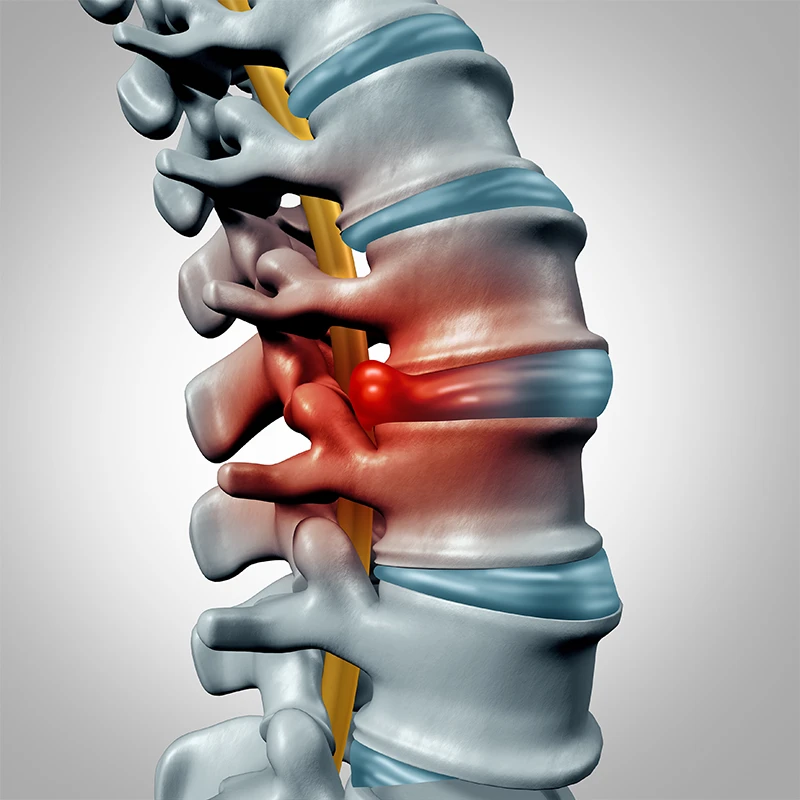
Herniated disc: A herniated or bulging disc in the cervical spine can put pressure on nearby nerves, causing pain, numbness or tingling sensations. These symptoms may radiate from the neck into the shoulders, arms and hands.
Medical conditions: Certain medical conditions, such as fibromyalgia, meningitis or tumours can present with symptoms of neck pain. These conditions require medical evaluation and treatment to address the underlying cause.
Stress: Emotional or psychological stress can contribute to muscle tension in the neck and shoulders. This tension exacerbates existing neck pain or may trigger new discomfort. Managing stress through relaxation techniques or counselling can help alleviate neck pain associated with stress.
Treatment options for neck pain

Physical therapy: Engaging in a tailored exercise regimen designed by a physical therapist can bolster neck muscles, enhance flexibility and mitigate discomfort. These exercises target specific areas of weakness or imbalance, fostering improved neck function and reduced pain.
Pain management: Depending on the severity and duration of neck pain, different medications may be recommended. Over-the-counter pain relievers, muscle relaxants or prescription medications can help alleviate acute or chronic neck pain, providing relief while addressing underlying causes.
Massage therapy: Skilled massage techniques, such as deep tissue massage or trigger point therapy, provide targeted relief for neck pain. Massage therapy promotes relaxation and accelerates the body’s natural healing process by releasing tension and improving circulation in the neck and shoulders.
Injections: For individuals experiencing severe or persistent neck pain, corticosteroid injections or nerve blocks may provide temporary relief. These injections target inflamed or compressed nerves, reducing pain and improving mobility in the neck and surrounding areas.
Acupuncture: Traditional Chinese acupuncture involves strategically inserting fine needles into specific points on the body to stimulate healing and relieve pain. Acupuncture is effective in easing neck pain by restoring balance to the body’s energy flow and promoting the release of endorphins, the body’s natural painkillers.
Chiropractic care: Chiropractic adjustments performed by a qualified practitioner can realign the vertebrae of the cervical spine, alleviating nerve compression and restoring proper alignment. This holistic approach to neck pain treatment aims to address underlying structural issues and restore optimal function.
Heat and cold therapy: Applying heat packs or cold compresses to the neck area can serve as an effective home remedy for neck pain. Heat therapy relaxes tense muscles, increases blood flow and reduces stiffness, while cold therapy helps alleviate inflammation and numb pain receptors.
Surgery: In rare cases, when structural abnormalities continue to cause neck pain despite conservative treatments, doctors may consider surgical intervention. Procedures such as discectomy or fusion may be recommended to address issues like herniated discs or spinal stenosis, restoring stability and function to the cervical spine. Surgery is typically reserved for severe or debilitating cases of neck pain that do not respond to other treatments.
Keeping your neck healthy
Maintain good posture: Be intentional about your body’s position. Consciously sit and stand with your shoulders back, chin tucked in and spine aligned to minimise strain on the neck muscles and spine. Avoid slouching or hunching forward, as this can place pressure on sensitive structures in the neck and contribute to discomfort.
Take regular breaks: If you spend extended periods at a desk or computer, make it a habit to take frequent breaks. Use these breaks to stretch your neck and shoulders, change positions and relieve tension built-up from prolonged sitting or repetitive tasks.
Optimise your workspace: Invest in ergonomic furniture and accessories to create a neck-friendly workspace. Choose an adjustable chair, keyboard and monitor to maintain a neutral neck position and reduce the risk of strain while working. Position your computer screen at eye level to minimise neck strain from looking down or up for extended periods.
Prioritise exercise: Incorporate neck-strengthening exercises into your regular workout routine to improve flexibility and muscle strength. Simple exercises like neck stretches, shoulder shrugs and gentle neck rotations can help prevent stiffness and alleviate tension in the neck and shoulder areas.
Practise proper lifting techniques: When lifting heavy objects, remember to bend your knees, keep your back straight and lift with your legs instead of relying solely on your upper body strength. This technique reduces the strain on your neck and back muscles, lowering the risk of injury.
Invest in a supportive mattress: Make sleep fully restorative by choosing a mattress and pillow that suitably supports your neck and spine. Opt for a pillow with a thickness that allows your head to remain in line with your spine, typically around 4 to 6 inches thick for most people. Go for a mattress with medium firmness to maintain proper spinal alignment and prevent excessive pressure on the neck. Avoid sleeping on your stomach, as this position can strain the neck and contribute to discomfort.
Stay hydrated: Drink plenty of water throughout the day to keep your muscles and spinal discs hydrated. Proper hydration helps maintain the elasticity of spinal discs and prevents them from becoming stiff or compressed, reducing the risk of neck pain.
Manage stress: Practice stress management techniques, such as deep breathing exercises, meditation or yoga, to reduce muscle tension and alleviate stress-related neck pain.

Incorporating relaxation techniques into your daily routine can help promote overall well-being and minimise the impact of stress on your neck muscles.
Winning the battle against neck pain
Neck pain may seem like an unavoidable part of life, but it’s a challenge that can be overcome. Invest a little time in understanding the root causes of your discomfort and exploring effective treatment options so that you reclaim control over your comfort and quality of life. Prioritise practices like maintaining good posture, staying active with neck stretches and strengthening exercises and managing stress to nurture a healthier, pain-free neck.
Remember:
- If your neck pain is severe, persistent or accompanied by other symptoms, consult your doctor to rule out any underlying conditions.
- Don’t ignore your neck pain! Early intervention can help prevent it from becoming a chronic problem.
Neck pain is no match for you when you have the Healing Moments team on your side. Get in touch to discover how we can help you conquer discomfort and reclaim your quality of life.